Focusing entirely on the initial purchase price when selecting flooring for gyms, schools, fitness centers, sports halls, or commercial facilities? Well, this can be expensive in the long run. The real value of any flooring system lies in its lifespan, maintenance requirements, safety, and overall performance.
Key Takeaways
- Long-term value depends on durability, maintenance, and safety, but not entirely on installation cost.
- Lifecycle performance often outweighs initial purchase price.
- Flexible flooring solutions suit evolving multi-use facilities.
- Sustainable materials and lower maintenance requirements help reduce operational expenses while supporting efficient, future-ready building management.
Flooring is more than a design decision, as it directly influences maintenance budgets, user safety, operational efficiency, and lifecycle costs. While traditional materials remain popular, modern resilient solutions like rubber flooring are highly preferred. Understanding the long-term benefits of each option helps buyers make informed investments that continue delivering value.
Beyond Installation Costs
Many buyers compare flooring based on upfront installation expenses. While this is important, long-term ownership costs often tell a different story. So, what should you consider? Here are our suggestions:
- Expected service life
- Maintenance frequency
- Repair costs
- Downtime during replacement
- Safety performance
- Environmental sustainability
According to a report by the U.S. Environmental Protection Agency (EPA), durability plays a major role in reducing material waste, with longer-lasting building materials helping minimize replacement frequency and landfill contributions. High-quality flooring that lasts significantly longer with minimal maintenance often provides a better return on investment.
Durability
Heavy foot traffic, sports equipment, dropped weights, rolling carts, and daily cleaning can quickly wear out conventional flooring.
Properly installed rubber flooring is specifically designed to withstand repeated impact while maintaining its structural integrity. Quality commercial systems commonly provide service lives of 15–25 years with proper maintenance, depending on usage conditions.
| Flooring Type | Typical Lifespan |
| Carpet | 5–15 years |
| Vinyl | 10–20 years |
| Hardwood (sports courts) | 20–30 years (requires refinishing) |
| Ceramic Tile | 20–30+ years |
| Rubber Flooring | 15–25 years |
Table 1: Different Flooring Types and Their Lifespan
Maintenance
Here are the key requirements for traditional flooring to ensure longevity and durability:
- Waxing
- Polishing
- Refinishing
- Regrouting
- Replacement of damaged sections
In contrast, mobile sports flooring options like specialized rubber flooring generally require routine sweeping and damp mopping with appropriate cleaners. Fewer maintenance procedures reduce labor costs while minimizing disruption to facility operations.
Safety
Safety has direct financial implications through injury prevention and reduced liability. Choosing the right flooring can create a safer environment for athletes, staff, and visitors while lowering long-term maintenance and insurance expenses. The improved safety plays a key role in creating better facility performance and overall operational value.
Here are the advantages of resilient rubber flooring:
- Improved shock absorption
- Better traction
- Reduced fatigue for users
- Lower impact during falls
Traditional hard surfaces such as tile or polished concrete may offer excellent durability but generally provide less impact absorption during accidental falls. In high-traffic sports and recreational facilities, the difference between these two types of flooring can significantly influence user safety, injury rates, and long-term liability costs.
Sustainability
Rubber flooring mostly offers a lower environmental impact compared to many traditional flooring materials.
- High-quality rubber flooring is often manufactured using recycled rubber, helping reduce landfill waste and conserve natural resources.
- Its exceptional durability also means fewer replacements over time, minimizing material consumption.
In contrast, traditional flooring options such as vinyl or carpet may require more frequent replacement and can involve higher resource use. Choosing long-lasting, recyclable flooring supports greener building practices and long-term environmental goals.
Traditional Flooring vs. Rubber Flooring: Key Differences
Here’s an overview of the differences between rubber and traditional flooring.
| Evaluation Category | Traditional Marble Flooring | Resilient Rubber Flooring |
| Maintenance Profile | Demands labor-intensive periodic coatings and shine restoration. | Requires only basic dry brushing and wet wiping. |
| Safety Performance | Stiff surface offers minimal impact buffering during drops. | Provides superior grip and softens unexpected tumbles effectively. |
| Environmental Impact | Involves heavy resource consumption and regular discarding. | Incorporates reprocessed components, lowering total garbage disposal. |
Table 2: Differences between Traditional Marble Flooring and Resilient Rubber Flooring
Which Flooring Delivers Better Long-Term Value?
Rather than asking which flooring is cheapest today, decision-makers should ask which flooring will continue performing efficiently ten or twenty years from now, since there is no universal flooring solution for every project.
So, how should you pick the most effective one? What should be your priorities?
- Traditional materials are suitable where aesthetics or specialized architectural requirements take priority.
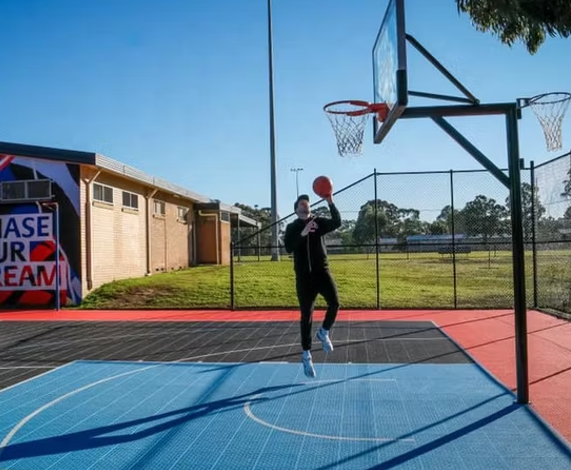
- If you’re looking for facilities like durability, lower maintenance, user safety, lifecycle value, and operational flexibility, mobile sports flooring solutions (such as specialized rubber flooring) provide strong long-term performance.
See also: Law Firms: Competitive Insights Guide for The Defenders
Wrapping Up
Selecting flooring is a strategic investment that influences operational costs, user experience, and facility longevity. Evaluating lifecycle performance instead of upfront pricing enables smarter decisions. Durable, low-maintenance solutions often provide stronger financial returns while creating safer, more adaptable environments capable of meeting changing demands for many years.
Planning a New Sports or Recreational Facility?
Consult experienced flooring specialists to evaluate your space, usage patterns, and long-term operational goals. Professional guidance ensures you choose a flooring solution that maximizes durability, performance, safety, and overall value while supporting the needs of athletes, staff, and visitors alike.