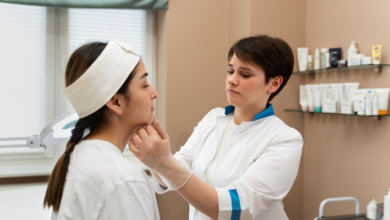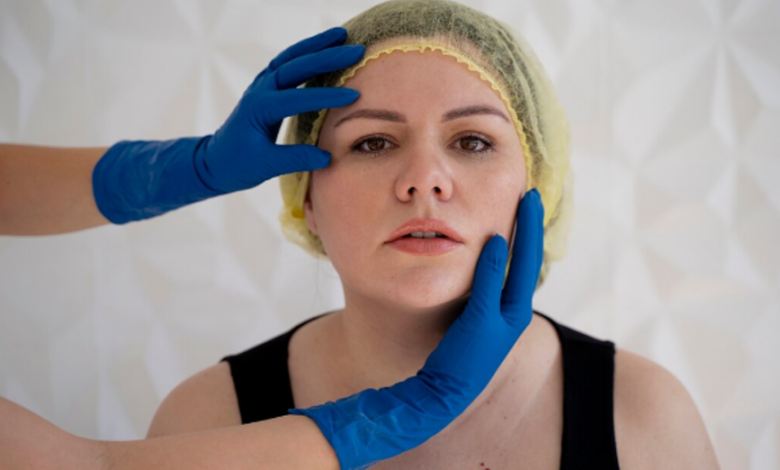
Non-surgical skin treatments can help address common concerns such as uneven texture, dehydration, fine lines, and dullness without surgery. The most suitable option depends on your skin concern, treatment goals, suitability, and the amount of downtime you can accommodate.
Key takeaways
- Match the treatment: Choose an option based on your specific skin concern and goals
- Consider downtime: Different treatments require different amounts of recovery and aftercare
- Check suitability: Your skin type, medical history and existing routine can affect treatment choices
- Set realistic expectations: Results vary, so professional assessment can help you choose an appropriate approach
Suffering from dull skin? Unhappy with uneven texture? Feel dehydrated skin? You are not alone. These are the problems that affect millions of people across the UK.
According to the British Association of Dermatologists, up to 95% of UK youth experience acne. These issues often persist into adulthood, causing lasting texture concerns. Consequently, this drives many adults to seek professional skin interventions.
Fortunately, several non-surgical treatments target these common concerns. They do not require surgery or lengthy recovery periods.
.
| 💡 Good to Know: Non-surgical does not mean risk-free or suitable for everyone. Treatment choice should take into account your skin concern, medical history, current skincare routine, and the amount of downtime you can accommodate. |
The Rise of Non-Surgical Skin Treatments in the UK
Not many people are relying on over-the-counter creams anymore; these often fail to reach deeper skin layers. As a result, surface results remain limited.
In contrast, professional skin treatments can complement a good skincare routine by targeting specific concerns such as hydration, texture, pigmentation or collagen production.
An industry report by Mordor Intelligence reveals that non-invasive procedures account for over 56% of UK aesthetic demand. This growing demand reflects a wider preference for treatments that can fit around busy lifestyles, although downtime and results vary between procedures.
What Are the Different Ways to Refresh and Rejuvenate Skin?
There is no single treatment that works for every skin concern. Some options focus on texture and collagen, while others are better suited to hydration, skin renewal, or ongoing maintenance.
1. Professional Microneedling for Texture Renewal
Microneedling is the procedure where ultrafine and sterile needles are used to create controlled micro-channels in the skin. This activates your body’s natural wound-healing mechanism, supporting the production of collagen and elastin.
It may be considered for:
- Acne scars
- Enlarged pores
- Fine lines
- Uneven skin texture
For people considering Bristol microneedling, professional assessment can help determine whether the treatment is suitable for their skin and concerns.
2. Injectable Skin Boosters for Deep Hydration
Noticing dull, tired, and prematurely aged skin? Dehydration can contribute to a lacklustre appearance and reduced skin suppleness. Using traditional moisturisers is not enough, as it only sits on the top epidermal layer and does not penetrate deeper.
Skin boosters are injectable treatments designed to improve skin hydration and overall quality. Unlike traditional dermal fillers, they are generally used to improve skin quality rather than alter facial structure.
They may be considered for:
- Dehydrated-looking skin
- Dullness
- Reduced suppleness
- Fine lines associated with dehydration
Those considering skin boosters in the UK should have their suitability assessed by a qualified practitioner before treatment.
| 💡 Did You Know? Skin boosters and dermal fillers have different purposes. Skin boosters are generally used to improve skin quality and hydration, while dermal fillers are designed primarily to add volume or alter facial contours. |
3. Medical-Grade Chemical Peels for Cellular Turnover
Exfoliating dead skin cells once in a while is necessary to bring out fresh, healthy skin underneath. Chemical peels use active acid solutions to gently carry out this procedure.
Depending on the formulation and strength, chemical peels may help address:
- Dullness
- Uneven pigmentation
- Surface-level texture concerns
The appropriate peel depends on skin type, the concern being treated, and the amount of downtime that can be accommodated.
4. LED Light Therapy for Cellular Repair
Specific light wavelengths target different skin concerns; LED light therapy is one of the most sought-after cosmetic treatments in the UK.
- Blue light: May help target acne-causing bacteria
- Red and near-infrared light: May help support skin repair and calm inflammation
This is a non-invasive treatment that requires zero recovery time. It can also be used as part of a wider skincare approach, although it should not automatically replace treatments designed to address specific concerns. For those comparing treatment options alongside Bristol microneedling, LED therapy may appeal to people looking for a non-invasive approach with no recovery period.
5. SkinPen Microneedling with PRP Boosters
Combining advanced therapies can be considered when multiple skin concerns need to be addressed. For instance, did you know that pairing microneedling with platelet-rich plasma (PRP) is one approach used in skin rejuvenation?
PRP utilises growth factors extracted from your own blood sample. When applied during microneedling, it may be used alongside the treatment as part of a personalised approach to skin renewal.
The combination may be considered for:
- Uneven skin texture
- Acne scarring
- Fine lines
- Overall skin rejuvenation
Results vary between individuals, so treatment suitability should be assessed by a qualified professional.
See also: Law Firms: Competitive Insights Guide for The Defenders
6. Medical Skincare and Barrier Repair Therapies
Healthy skin requires a strong protective moisture barrier. Continuous exposure to dust and pollution can contribute to dryness and irritation, particularly when the skin barrier is already compromised.
Professional skincare can help identify whether your current routine is supporting your skin or contributing to irritation. A suitable home routine can also help maintain the skin between professional treatments.
For persistent dehydration or reduced skin suppleness, skin boosters in the UK may be another option to discuss with a qualified practitioner.
A professional skincare plan may focus on:
- Hydration
- Barrier support
- Pigmentation
- Acne
- Signs of ageing
Customised home routines maintain and prolong your clinical treatment results.
Final Thought
Improving skin texture, hydration and radiance does not necessarily require an invasive procedure. From microneedling and skin boosters to PRP and professional skincare, different treatments can address different concerns. The key is to choose an approach that suits your skin, your goals and your expectations.
Considering a Non-Surgical Skin Treatment?
If you are exploring your options, a professional consultation can help you understand which treatments may be suitable for your skin concerns and lifestyle.