Nutrition becomes increasingly important in later life, affecting energy levels, cognitive function, and overall well-being. Choosing the right foods can help maintain health, prevent common age-related issues, and support a higher quality of life. Understanding the specific nutritional needs in later years is key to staying strong and independent.
Maintaining Muscle Mass and Bone Health
One of the most significant concerns in later life is the gradual decline of muscle mass and bone density. This process, often referred to as sarcopenia, can increase the risk of falls, fractures, and injuries. Adequate protein intake is essential to preserve muscle strength, while calcium and vitamin D are critical for bone health. Incorporating lean meats, fish, eggs, dairy products, leafy greens, and fortified foods into daily meals helps maintain musculoskeletal health and reduces the risk of conditions like osteoporosis. Regular physical activity, combined with proper nutrition, further strengthens muscles and bones, supporting mobility and overall independence.
Supporting Heart Health
Heart health remains a central priority, as cardiovascular disease is a leading concern for older adults. Consuming foods that promote heart health can help regulate blood pressure, lower cholesterol, and reduce the risk of heart disease. Omega-3 fatty acids, found in fatty fish such as salmon, walnuts, and flaxseeds, support cardiovascular function, while limiting saturated fats, trans fats, and excessive salt helps maintain a healthy circulatory system. A diet rich in fruits, vegetables, whole grains, and legumes provides antioxidants and fiber that further protect heart health and support long-term wellness.
Boosting Cognitive Function
Nutrition has a powerful effect on brain health. Cognitive decline, memory loss, and slower mental processing can become a concern, but certain nutrients are known to support mental performance. Antioxidants found in colorful fruits and vegetables, such as berries, spinach, and broccoli, help combat oxidative stress that can damage brain cells. B vitamins, including B6, B12, and folate, are essential for proper neurotransmitter function and mental clarity. Additionally, omega-3 fatty acids play a role in maintaining healthy brain cell membranes and supporting memory. Regular consumption of these nutrients can help preserve cognitive function and may reduce the risk of conditions such as dementia.
See also: Healthy Snack Tips for Winning More Games
Enhancing Immunity
A balanced diet is crucial for a strong immune system. Immune function can decline over time, making individuals more vulnerable to infections and illnesses. Nutrient-rich foods such as citrus fruits, nuts, seeds, and whole grains provide essential vitamins and minerals that strengthen immunity. Staying well-hydrated also supports nutrient transport and cellular function.
Promoting Digestive Health
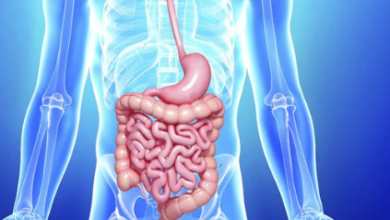
Digestive issues, such as constipation, can become more common. Fiber is vital for maintaining healthy digestion and supporting gut health. Whole grains, fruits, vegetables, and legumes help regulate bowel movements, while probiotics in yogurt and fermented foods promote a balanced gut microbiome.
Creating a Supportive Environment
For those who may need assistance with meal planning and preparation, a supportive living environment can make a meaningful difference. A trusted care home in Lichfield can provide nutritious, balanced meals tailored to individual needs while offering guidance and support for a healthy lifestyle.
Conclusion
Good nutrition is essential for maintaining strength, energy, and independence in later life. Focusing on nutrient-dense foods that support muscles, bones, heart, brain, and digestive health allows individuals to enjoy a higher quality of life. With mindful eating and the right support, later years can be lived with vitality, confidence, and well-being.