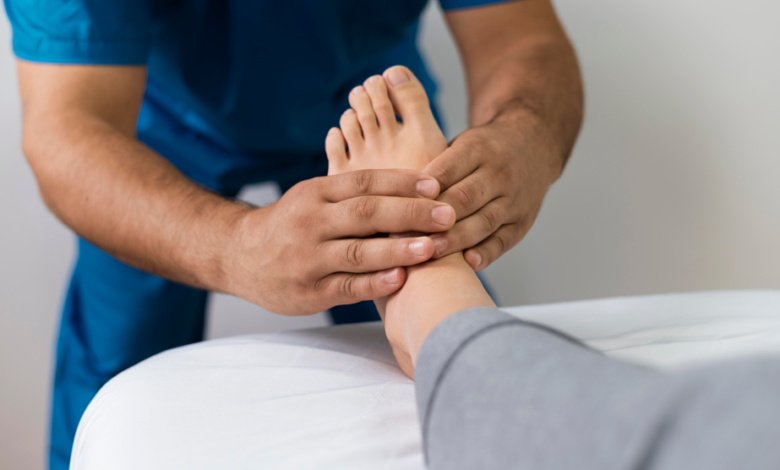
Thinking about the overall well-being of children? Don’t forget to value children’s foot health for a better future. However, it is unfortunate that in most cases, until the foot issues become noticeable and troubling, children do not receive professional podiatry care and services.
So, it is vital to be aware of the early signs of foot issues, symptoms, and medical care requirements to ensure a healthy life. But, when to seek professional help and take children to a podiatry clinic? Here, you can have our guidance.
The most common children’s foot issues include ingrown toenails, flexible flat feet, in-toeing due to growth spurts, and Sever’s disease.
Now you may ask, when to seek the podiatry clinic near me? When to find professional help to prevent any further progression of my children’s foot issues?
Don’t worry. We have answers for every question. Check this guidance and find what to do, and when.
Key Takeaways
- Pediatric Podiatry: Diagnosis and treatment of foot issues among children.
- Key Signs: Persistent pain and swelling, changes in walking patterns, deformities.
- Early Diagnosis and Treatment: Spontaneous development and growth, less prone to invasive treatment in the future.
Pediatric Podiatry: The Key Idea and Specialisation
A specialised medical field, Pediatric Podiatry, focuses on diagnosing and treating foot and lower limb issues among children. From their early childhood to adolescence, it is dedicated to identifying various foot issues and providing specific treatments to ensure a healthy lifestyle.
Vs. General Podiatry
Well, in contrast to general podiatry, catered to children, young adults, and old patients, it exclusively prioritises the unique developmental stages among children.
Check the table below to understand the differences between pediatric and general podiatry before you choosing a podiatry clinic:
| Factors | Pediatric Podiatry | General Podiatry |
| Target Population | Focuses on the growing and developing feet of children. | Focuses on adult, mature feet, including geriatric care and adult injuries. |
| Conditions Treated | Exclusively addresses in-toeing and out-toeing, growing pains, toe walking, flat feet, congenital deformities, and clubfoot. | Addresses ingrown nails, hammertoes, age-related degeneration, and diabetic foot care. |
| Treatment Approach | Conservative care, non-invasive, custom orthotics, and monitoring. | Comprehensive ankle and foot care through diagnosis, clinical maintenance, and prevention. |
Table 1: Key Differences between Pediatric Podiatry and General Podiatry
The Significance of Children’s Podiatry
This is crucial due to its area of specialization. Identifying physiological challenges with children’s feet is different from that of adults. This differentiation is important since they pass through growth and specific formation. It makes them more susceptible to deformities and various challenges.
What Warning Signs Indicate the Need for Professional Assistance?
Recognising the right time to seek professional attention is important. It helps secure a better future for your children. Remember, timely expert intervention and treatment of ankle and foot injuries are crucial in this regard.
On that note, here are the warning signs you need to be aware of!
Persistent Pain and Swelling – Do Not Ignore It!
If children frequently complain of ankle, foot, or heel pain, seek professional help immediately. Otherwise, they might end up developing a more complex underlying condition. Moreover, unexplained warmth, redness, or swelling of the feet is a potential sign of inflammation or infection. Do not ignore these issues and immediately contact a reliable podiatry clinic.
A Change in Walking Patterns – Seek Help Now!
Did you find any noticeable changes in children’s gait, such as one foot turning outward or inward, limping, or toe-walking? It’s high time to visit the nearest podiatry clinic. Why? These issues may lead to developmental challenges or chronic musculoskeletal problems.
Issues in Wearing Shoes – A Key Concern!
Has it become an issue to find the right shoe for your children? This is a major concern! Difficulty in wearing any shoes often implies deformities or foot pain. Such situations definitely call for professional assessment and expert engagement.
Visible Deformities or Tendencies to Trip and Fall – Time to Seek Help!
Don’t ignore any visible deformities, such as hammertoes or bunions, as they need immediate medical attention. Moreover, if your children experience regular tripping or sudden falling (when running or walking), these signs likely point towards foot-related abnormalities or balance issues.
As parents, it is important that your child undergoes healthy foot development. Thus, you have to make sure that your children get the best podiatry treatment.
So, wondering when is the right time for the treatment? Here’s a chart offering the most suitable timeline:
| Age(s) | Why? |
| 12-15 months | At this time, children start walking, and make sure they have the opportunity for proper development. |
| 3 Years | Development of adult-like gait. |
| 6 Years | Ideal time for the school, and make sure there are no gait issues, and find the most appropriate shoe. |
Table 2: When to Check Up for the Best Results
What are the Benefits of Early Professional Intervention?
So, seeking professional help for your children at the right time, especially at an early stage, is beneficial in various ways.
Here are some of the advantages your children may experience from timely treatment.
Securing Normal Development and Growth
Right time and right clinic – probably the best answer to the early foot issues in children. The identification and treatment of several issues, including in-toeing and flat feet, can boost their natural growth and boost the overall health condition positively.
Early detection and taking health measures may prevent children from developing ingrained difficulties or compensatory, pain-striking walking patterns.
Remember, the pain may also affect some other body parts, like the hips, knees, and lower back. So, visiting a podiatry clinic at the early stage ensures timely correction of deformities or abnormalities, since it ensures natural body growth.
See also: Achieving Healthy Skin with Modern Beauty Routines
Avoiding the Need for Invasive Treatment
Near-zero Requirement for Any Future Invasive Treatment
During their growing phase, podiatry clinics can reduce the likelihood of surgical treatments. Non-surgical options, including physical therapy, orthotics, and appropriate footwear, make the entire process less traumatic and painful.
A guaranteed long-term musculoskeletal health, with the alleviation of walking or running discomfort.
Final Thoughts
So, before it’s too late for your children, seek professional podiatric help for the best guidance and secure their future. Make sure you do not ignore any minor foot-related inconveniences, since they may lead to serious deformities or chronic pain, and visit the clinic for experts’ advice. The early assessment of foot issues can save your children from surgical risks and allow them to grow naturally.
Listen to them, think about it, and contact healthcare professionals to help your children find a better future.
Looking For the Best Podiatry Clinic Near You? Here’s How to Choose
We suggest you find the best one by checking their reviews and online testimonials. Do not forget to check the price lists to avoid budget overrun issues.