Losing a tooth can be more than just a cosmetic concern, it can affect your ability to eat, speak, and maintain overall oral health. Thankfully, modern dentistry offers several solutions to replace missing teeth. Understanding your options can help you make an informed choice that suits your lifestyle, budget, and long-term dental health.
Dentures: A Traditional Solution
Dentures are one of the most common methods for replacing missing teeth. They are removable prosthetic devices that can replace a few teeth (partial dentures) or an entire set (full dentures). Modern dentures are designed to fit comfortably in the mouth, restore functionality, and improve appearance.
Partial dentures use clasps or precision attachments to stay in place alongside your natural teeth, while full dentures rely on suction or adhesives to remain secure. One of the advantages of dentures is their relatively lower cost compared to other dental solutions. However, they do require regular maintenance, including daily cleaning and periodic adjustments, to ensure they continue to fit properly as the shape of your mouth changes over time.
Dental Bridges: Bridging the Gap
Dental bridges are another popular option for replacing one or more missing teeth. Unlike dentures, bridges are fixed in place, providing a more stable and natural-feeling solution. A traditional dental bridge involves placing crowns on the teeth adjacent to the gap, with a false tooth (or teeth) anchored in between.
Bridges are highly effective in restoring chewing ability and improving speech. They also help maintain the shape of your face and prevent surrounding teeth from shifting into the gap. While bridges are more permanent than dentures, they do require some alteration of the neighboring teeth, which may be a consideration if your adjacent teeth are healthy and strong.
Tooth Implants: A Long-Term Investment
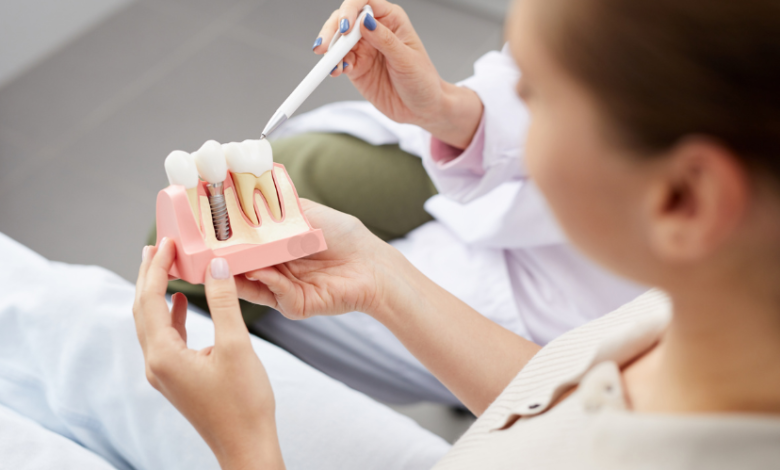
For a more permanent solution, many patients turn to tooth implants. Implants are titanium posts surgically inserted into the jawbone to act as artificial tooth roots. Once integrated with the bone, they provide a solid foundation for crowns, bridges, or even full dental arches.
The benefits of implants are significant. They look and function like natural teeth, prevent bone loss, and do not affect neighboring teeth. While the initial cost may be higher than dentures or bridges, the long-term durability and improved oral health often make implants a worthwhile investment. Implants require careful planning and multiple dental visits, but for many, the results justify the process.
Considerations When Choosing a Solution
Choosing the best option for replacing missing teeth depends on several factors, including:
- Number of missing teeth: Single or multiple gaps may influence whether dentures, bridges, or implants are more appropriate.
- Oral health: Healthy gums and sufficient jawbone density are essential for implants, whereas dentures and bridges may be suitable for a wider range of patients.
- Lifestyle and comfort: Dentures may require adjustment periods and special cleaning routines, while implants and bridges offer a more permanent, hassle-free solution.
- Budget: Cost is a significant factor, with dentures generally being the most affordable, bridges moderately priced, and implants representing a higher upfront investment but longer-term value.
Discussing these considerations with a dental professional is crucial. They can provide personalized guidance, assess your oral health, and recommend the most suitable treatment plan for your needs.
See also: Healthy Snack Tips for Winning More Games
Maintaining Your New Smile
No matter which option you choose, maintaining your replacement teeth is vital for long-term success. Regular dental check-ups, proper oral hygiene, and attention to diet can help ensure your prosthetic teeth last as long as possible. For implants, this means brushing and flossing like natural teeth and attending follow-up visits to monitor bone integration and gum health. For dentures and bridges, it involves routine cleaning and inspections to prevent damage or misalignment.
Replacing missing teeth is not just about restoring your smile, it’s about preserving your oral health, confidence, and quality of life.